Understanding the issue of overheating can save your rotary tool from damage. Many users often wonder, "Why is my rotary tool overheating during long runs?" This question is crucial for both novice and experienced users. Overheating can lead to decreased performance and potential burnout of the motor.
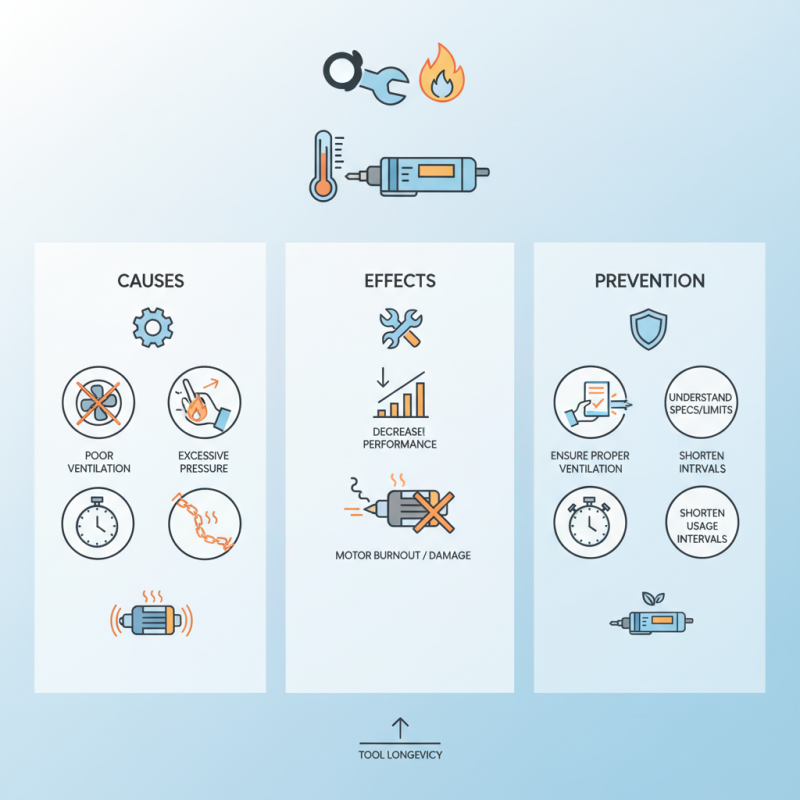
Rotary tools are versatile and powerful, but they aren't immune to overheating. Continuous use generates heat. When used beyond their limits, rotary tools can struggle. Poor ventilation, excessive pressure, or prolonged usage are common culprits. These factors trap heat, leading to inefficiency.
Not addressing overheating can be costly. Overheated tools may require repair or replacement. Take the time to understand your tool’s specifications and limits. A proactive approach ensures longevity. Let’s explore the reasons behind this issue and how to prevent it.
Rotary tools are popular for their versatility and convenience. However, overheating can be a common issue during extended use. Understanding the mechanics behind this phenomenon is crucial for effective operation and improved tool longevity. Overheating usually occurs due to friction. When the tool operates continuously, the motor and attachments generate heat. If not managed correctly, this heat can build up quickly.
One way to reduce overheating is to let the tool rest periodically. Continuous use can lead to overheating, especially if the attachment is not suitable for the material being worked on. Selecting the right bit for the job is essential. Using the correct speed setting can also help manage heat. Each material requires different speeds to minimize friction. Ignoring these factors can lead to tool damage and inefficient work.
Another important aspect is dust and debris accumulation. These can block vents and hinder airflow. Regular cleaning can prevent this. Checking the tool’s casing for any damage is another good practice. A damaged casing can trap heat, leading to further issues. Reflecting on these operational basics ensures smoother and safer use of your rotary tool.
This chart illustrates the temperature increase of a rotary tool during continuous use over various time intervals. As usage duration increases, the temperature rises significantly, indicating potential overheating issues.
Overheating is a common issue with rotary tools during extended use. One major cause is excessive friction. When a tool operates for prolonged periods, the motor generates heat. According to a study by the American National Standards Institute (ANSI), nearly 40% of rotary tool malfunctions stem from overheating.
Another contributing factor is improper ventilation. Rotary tools need airflow to cool efficiently. If dust and debris block ventilation ports, heat builds up rapidly. The IEEE published research indicating that tools with restricted airflow can run up to 30% hotter than those with clear vents. Regular cleaning is crucial to maintaining optimal performance.
Lastly, using the wrong attachment can lead to overheating. Each attachment is designed for specific tasks. Using an inappropriate bit can strain the motor, causing it to heat excessively. A survey from the International Association of Tool Manufacturers (IATM) found that users often ignore this detail, leading to unnecessary damage. Understanding these factors can help users avoid overheating issues and ensure longer tool life.
When using a rotary tool for extended periods, overheating becomes a common issue. The intense work can lead to excess heat buildup, affecting the motor and its components. It's essential to understand how continuous use impacts these parts. Over time, the bearings and brushes in the motor can wear down. This leads to inefficient operation, resulting in more heat generated during tasks. The housing, often made of plastic, can also warp or degrade due to temperature fluctuations.
Prolonged operation can cause a serious decline in performance. If your tool overheats, check for dust and debris buildup. This can obstruct airflow, increasing the risk of overheating. User habits also play a crucial role. For example, excessive pressure on the tool can exacerbate heat production. Adjusting your technique may help prevent overheating. Taking breaks during long sessions can cool the tool efficiently. Listening to your tool, noticing any unusual sounds or changes, is essential for maintaining its lifespan. Regular maintenance and being mindful can help avoid frustrating overheating issues.
Rotary tools are powerful devices, but they can overheat during extended use. Overheating can cause performance issues and reduce tool lifespan, leading to potential failures. According to a report by the International Journal of Advanced Manufacturing Technology, improper usage accounts for about 30% of tool malfunctions. To maintain your rotary tool, it is vital to ensure that you are not overloading it.
One effective method to prevent overheating is to take breaks during lengthy tasks. Continuous usage can cause heat to build up quickly. Allowing your tool to cool for a few minutes can help significantly. In addition, using the right attachment for the specific job is crucial. For instance, a less suitable bit can cause unnecessary strain and heat generation.
Regular maintenance is also key. Cleaning the tool's ventilation slots keeps airflow optimal. Dust accumulation can trap heat and hinder performance. It is effortless to overlook this aspect, but neglecting it can lead to expensive repairs. Checking for wear and tear on components like bearings can also prolong the tool's life. Keeping these tips in mind can help you avoid common pitfalls and ensure your rotary tool runs smoothly.
Rotary tools are versatile and powerful, but long use can lead to overheating. This usually happens when the tool is used for extended periods without breaks. To prevent this, consider applying cooling techniques. One effective method is to take regular breaks. Allow the tool to rest for a few minutes. This simple act can significantly reduce heat buildup.
Another recommended practice is to use the right attachment for your task. Using the wrong bit can increase friction and heat. Ensure that you choose attachments suited to the material you are working on. This can also improve efficiency and preserve the integrity of the tool. Remember to check the ventilation ports as well; they should be free from dust and debris. A clean tool cools better.
Lastly, consider using a cooling spray. Even a small fan can help circulate air around the tool. Keep in mind that overheating can damage the tool over time. Reflect on your usage habits. Frequent overheating may indicate that you are pushing the tool beyond its limits. Taking time to adjust your approach will help extend the lifespan of your rotary tool.
| Issue | Description | Cooling Technique | Best Practice |
|---|---|---|---|
| Excessive Friction | Friction generates heat. Dull bits or improper technique can increase friction. | Use lubricants or cooling sprays. | Regularly sharpen or replace bits. |
| Continuous Use | Prolonged operation without breaks can cause overheating. | Take breaks every 15-20 minutes. | Plan tasks to include cooling periods. |
| Inadequate Airflow | Blocked vents can trap heat. | Keep vents clean and unobstructed. | Regular maintenance checks on the tool. |
| High RPM Settings | Running at maximum speed for too long generates excess heat. | Use appropriate speed settings for different materials. | Consult the user manual for optimal settings. |
| Overloaded Tool | Using too much pressure can overload the tool. | Reduce the pressure applied during use. | Make multiple passes instead of one heavy cut. |
: Overheating is primarily caused by excessive friction, especially during prolonged use.
Taking regular breaks and allowing the tool to rest can significantly reduce heat buildup.
Using the wrong attachment can increase friction, leading to excessive heat and potential tool damage.
Regular cleaning is essential to maintain airflow and prevent overheating during use.
Proper ventilation prevents heat buildup. Dust and debris can obstruct airflow, increasing temperatures.
Yes, a cooling spray or small fan can help circulate air and cool the tool down.
Each material needs different speeds; incorrect settings can lead to increased friction and heat.
Reflect on your usage habits. It may indicate that you are pushing the tool beyond its limits.
Regularly inspect the tool's casing for damages. A damaged casing can trap heat and worsen overheating.
Tools with blocked vents can run up to 30% hotter than those with clear ventilation.
When using a rotary tool for extended periods, users often encounter the question, "Why is my rotary tool overheating during long runs?" Understanding the basics of how rotary tools operate is essential, as overheating can stem from various factors. Common causes include prolonged use without breaks, insufficient cooling, and working with inappropriate materials or attachment speeds that place undue stress on the motor.
The impact of continuous use can lead to premature wear on both the motor and other components, diminishing the tool's lifespan. To prevent overheating, it is crucial to implement effective cooling techniques, such as taking regular breaks, ensuring proper ventilation, and selecting the right attachments for the task. Following best practices can greatly enhance the longevity and performance of your rotary tool, ensuring efficient operation even during lengthy projects.

Deepit Cutter