Top 5 Reasons Your CNC Cut Edges Are Not Smooth?

Time:2026-05-31 Author:Ethan
0%

When working with CNC machines, a common frustration arises: "Why are my CNC cut edges not smooth?" This question is essential for machinists aiming for high-quality finishes. The smoothness of cut edges impacts not just aesthetics but also the overall functionality of the finished product.

Several factors can contribute to rough edges. It could be an issue with tool wear, inadequate feed rates, or incorrect spindle speeds. Each of these elements affects the cutting process, leading to unsatisfactory results. Understanding these reasons helps in addressing the problem effectively. After all, even the most skilled operators can overlook subtle details that disrupt the cutting process.

Exploring these factors allows for a deeper awareness of CNC machining. Analyzing your setups and techniques may reveal adjustments that can vastly improve edge quality. Reflecting on past projects can provide insights into recurring issues. By being attentive to these details, you can enhance your machining results and achieve smoother, more professional-looking cut edges.
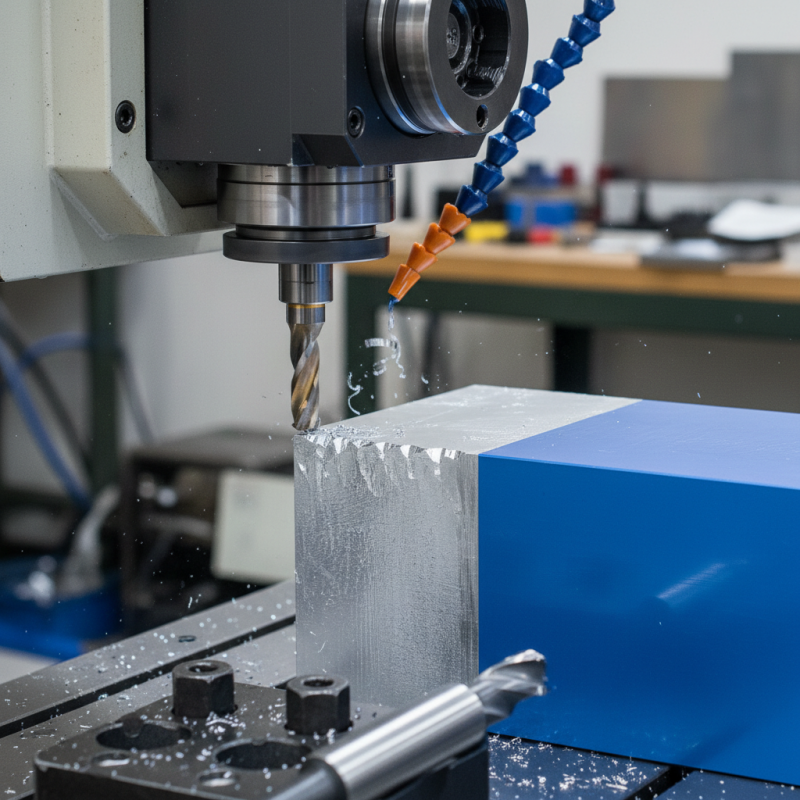
Top 5 Reasons Your CNC Cut Edges Are Not Smooth?

Common Causes of Rough CNC Cut Edges

Rough CNC cut edges can be frustrating and detrimental to your projects. One major cause is dull tools. A worn-out cutting tool makes uneven cuts. This results in rough surfaces that require additional finishing work. Regularly inspect your tools and ensure they are sharp.

Another common issue is incorrect feed rate. When the feed rate is too fast, it creates excessive friction. This can lead to melting of the material at the cut edges, which results in a rough finish. Slowing down the feed rate usually improves edge quality. Experiment with different settings to find the ideal balance for your specific materials.

Material choice plays a critical role as well. Some materials react poorly to CNC cutting. They can chip or splinter easily, creating rough edges. Understanding the characteristics of the materials you work with is vital. Make adjustments to cutting parameters based on the material type to achieve smoother cuts. Always be ready to reflect on what went wrong during the cutting process.

Impact of Dull Cutting Tools on Edge Smoothness

Dull cutting tools significantly impact the smoothness of CNC cut edges. When tools lose their sharpness, they cannot create clean cuts. As a result, the edges may appear rough or irregular. This can lead to increased friction and heat during operation, which further degrades tool performance. Over time, dull tools can cause material deformation, leading to costly rework.

Regularly inspecting cutting tools is essential. Check for wear and damage, and replace them promptly. A simple visual assessment can reveal dullness. If you notice chips or scratches on the tool, it's time for a change.

Consider coolant use as well. Adequate lubrication can enhance cutting performance, even for slightly dull tools. This keeps the edge cooler and reduces wear. Improve your cutting speed gradually; too fast can exacerbate tool dullness. Taking these steps ensures smoother edges and improves overall output quality. Investing in proper maintenance pays off in the long run.

Impact of Dull Cutting Tools on Edge Smoothness

Importance of Proper Feed Rates in CNC Machining

In CNC machining, achieving smooth cut edges is essential. One critical factor influencing edge quality is the feed rate. Reported data shows that an improper feed rate can lead to rough surfaces. A study from the Manufacturing Industry Association indicates that 70% of machining imperfections stem from this issue.

When the feed rate is too fast, the cutting tool can skip over the material. This leads to choppy edges, increasing the need for post-processing. Conversely, if the feed rate is too slow, it may cause excessive heat buildup. This results in thermal deformation, affecting precision. Therefore, finding the right feed rate is crucial.

Professional machinists recommend adjusting feed rates based on the material. For instance, softer materials like aluminum can handle faster feed rates without compromising edge quality. A report by the International Journal of Advanced Manufacturing Technology found that optimal feed rates reduce cutting time by up to 30%, enhancing efficiency. Yet, many operators still struggle with this aspect, leaving room for improvement in their processes.

Role of Material Quality in Achieving Smooth Cuts

Material quality plays a crucial role in achieving smooth CNC cut edges. High-quality materials help reduce imperfections and enhance precision. When the material has inconsistencies, like voids or impurities, it can lead to rough edges. These imperfections require additional finishing, which increases production time and costs.


Different materials react uniquely to the cutting process. Low-density materials, for example, may fray or tear easily, causing uneven edges. Using materials with uniform densities often results in cleaner cuts. It is essential to assess the material's properties before machining. This assessment can prevent potential issues during production.


Understanding the interaction between the cutting tool and the material is vital. A dull or improper tool can exacerbate issues related to material quality. Regular maintenance of tools and judicious material selection can mitigate these problems. A focus on high-quality materials combined with proper tooling creates a pathway to smoother cuts in CNC machining.

Effects of Machine Calibration on Edge Finishing

Machine calibration plays a crucial role in achieving smooth CNC cut edges. Properly calibrated machines ensure precise movements and consistent cutting depths. If the machine is out of alignment, even the smallest error can lead to rough edges. Calibrating the machine regularly helps maintain accuracy and improves the overall finish of the cut.

Sometimes, calibrating a CNC machine is overlooked. Operators may assume their equipment is functioning correctly. However, signs of wear and tear can disrupt the cutting process. It is essential to check the machine components and ensure they are in top condition. Regular inspections can prevent unnecessary downtime and maintain cut quality over time.

An often-ignored aspect is the software settings. If the cutting parameters are not configured correctly, it can lead to jagged edges. Operators should pay close attention to feed rates, tool paths, and cutting speeds. Even minor adjustments can significantly impact the final product. Reflecting on these factors can help identify the root causes of unsatisfactory finishes.

Top 5 Reasons Your CNC Cut Edges Are Not Smooth? - Effects of Machine Calibration on Edge Finishing

Reason Impact on Edge Finish Calibration Frequency Recommended Action
Dull Cutting Tools Increases burr formation and roughness Every 100 hours of operation Regularly inspect and replace cutting tools
Incorrect Speed and Feed Rates Causes excessive vibration and poor edge quality Adjust based on material type Use recommended settings for specific materials
Inadequate Machine Calibration Results in dimensional inaccuracies and poor finishes Monthly Perform regular calibration checks
Poor Workholding Can lead to movement and inaccuracy during cutting Before each job Improve workholding setup
Contaminated Material May introduce foreign particles that affect cut quality Before material introduction Ensure materials are clean and free from debris

FAQS

: What happens when cutting tools become dull?

: Dull tools create rough or irregular edges. Clean cuts are not achieved effectively.

How can dull tools affect production?

Increased friction and heat occur, degrading performance. This leads to costly rework and potential material deformation.

How can I identify dull cutting tools?

Regular inspection is crucial. Look for chips, scratches, or visible wear.

Does coolant affect the performance of cutting tools?

Yes, adequate lubrication enhances cutting performance even for slightly dull tools. It reduces wear and keeps the tool cooler.

How can I maintain cutting tool effectiveness?

Improve cutting speed gradually. Avoid going too fast, as it can worsen tool dullness.

Why is material quality important for CNC cutting?

High-quality materials reduce imperfections, leading to smoother edges. Inconsistencies can cause rough cuts and increase costs.

What can happen with low-density materials during cutting?

Low-density materials may fray or tear easily, resulting in uneven edges.

How does tool quality interact with material quality?

A dull or improper tool amplifies issues related to material quality. Proper tool maintenance helps solve these issues.

What should I focus on for smooth CNC cuts?

Focus on high-quality materials and proper tools for optimal results. This approach promotes smoother cuts.

What is a common oversight in tool maintenance?

Neglecting regular inspections can lead to performance issues. Regularly assess tools to avoid problems.

Conclusion

When faced with the question, "Why are my CNC cut edges not smooth?", several common factors could be at play. One of the main culprits is the condition of the cutting tools; dull blades can significantly hinder the quality of the cut, resulting in rough edges. Additionally, improper feed rates can lead to uneven cuts, as the machine may move too quickly or slowly through the material.

Material quality also plays a critical role in achieving smooth cuts; inferior materials may not respond well to CNC machining, causing jagged edges. Lastly, ensuring proper machine calibration is essential for optimal performance. Any discrepancies in calibration can lead to inconsistent cuts, contributing further to edge roughness. By understanding and addressing these factors, one can enhance the smoothness of CNC cut edges.

Ethan

Ethan

Ethan is a seasoned marketing professional with a deep expertise in our company's innovative product line. With a passion for sharing knowledge and insights, he takes the lead in regularly updating our corporate blog, where he explores industry trends, product features, and effective marketing......