What is the Maximum Thickness an Oscillating Knife Can Cut?

Time:2026-05-25 Author:Madeline
0%

The oscillating knife is an innovative tool in cutting technology, widely used in various industries. A leading expert in this field, Dr. Emily Carter, has remarked, "Understanding the maximum thickness an oscillating knife can cut is essential for optimizing its applications." This insight sheds light on a crucial aspect of the tool’s capabilities.

What is the maximum thickness an oscillating knife can cut? This question is pivotal for manufacturers and designers. The answer varies based on the material being cut and the knife's specifications. While oscillating knives are known for their precision, misconceptions about their cutting limits can lead to inefficiencies.

Industry standards suggest a range from 5 to 30 millimeters, depending on the material. However, many users report challenges when approaching maximum capacities. Thorough testing is often lacking. This gap in knowledge can hinder productivity. Therefore, it’s crucial to understand specific contexts and requirements in which these tools operate.
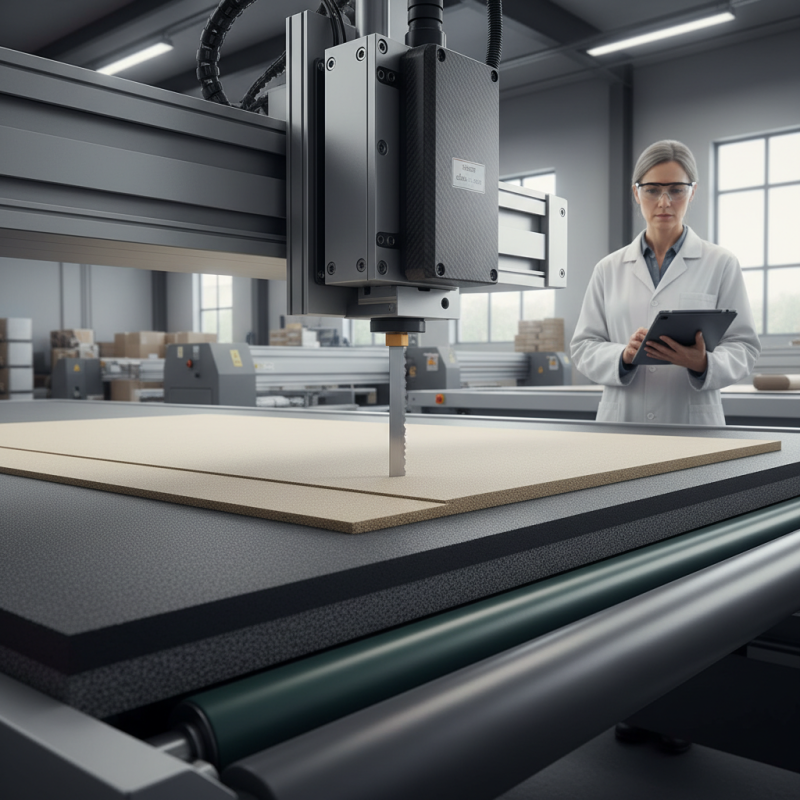
What is the Maximum Thickness an Oscillating Knife Can Cut?

Understanding Oscillating Knives: An Overview of Technology

Oscillating knives are becoming essential tools in various industries, including textiles, composites, and packaging. These devices utilize a back-and-forth motion to cut materials with precision. A report by the International Journal of Advanced Manufacturing Technology indicates that oscillating knives can achieve cutting depths of up to 35 mm, depending on the material's density. This capability makes them suitable for both thin and thicker substrates.

When selecting an oscillating knife, consider the material type. Softer materials like foam or fabric may allow for deeper cuts. Conversely, denser materials may limit this capability. Additionally, an oscillating knife's speed and blade angle can significantly affect the resulting cut. Ensuring that the machine settings match the material is crucial for achieving optimal results.

**Tips:** Always conduct a test cut before full production. Monitor blade wear to maintain cutting efficiency. Adjust your approach as needed based on results, as even small inaccuracies can lead to waste or product failure. Getting familiar with your specific machine settings can save time and resources. Consider sharing your experience with peers to foster a learning community.

What is the Maximum Thickness an Oscillating Knife Can Cut?

Material Type Maximum Thickness (mm) Blade Speed (mm/s) Common Applications
Foam 50 200 Packaging, Prototyping
Cardboard 20 150 Cutting, Crafting
Leather 10 180 Fashion, Upholstery
Acrylic 15 120 Displays, Signage
Wood 30 160 Furniture, Crafts

Factors Influencing Maximum Cutting Thickness in Oscillating Knives

When considering the maximum thickness an oscillating knife can cut, it's essential to understand the factors at play. One significant factor is the material type. Softer materials, like foam or fabric, allow for thicker cuts compared to denser materials like wood or laminate. Each material interacts differently with the blade's oscillation and speed. Experimentation is often necessary to find the optimal cutting depth for various materials.


Blade sharpness also plays a crucial role. A well-maintained blade can efficiently cut through thicker materials. Dull blades require more force and can result in uneven cuts. Adjusting the knife speed is another consideration. Slower speeds may benefit thicker cuts by allowing the blade to penetrate deeper without damaging the material. However, too much speed might lead to a choppy finish or even damage the oscillating mechanism.


Observing user experiences can unveil valuable insights. Some users report unexpected challenges, such as vibrations causing uneven cuts. These reflections highlight that cutting effectiveness depends on various factors, from the machine's calibration to the user's technique. Learning from these experiences can lead to better practices and improved outcomes over time.

Materials Suitable for Cutting with Oscillating Knives

Oscillating knives are versatile tools particularly suitable for cutting a range of materials. They excel with flexible substrates such as foam, rubber, and fabrics. Reports show that these knives effortlessly achieve depths of up to 25 mm, depending on material properties. For instance, a study indicated oscillating knives can cut through soft foam with minimal resistance, making them ideal for intricate design work.

Materials like fabric and synthetic textiles also thrive under the precision of oscillating knives. The cutting process is clean and reduces fraying. A survey from an industry expert highlighted that users favor oscillating knives for their ability to cut intricate patterns without compromising material integrity. However, cutting hard materials like wood or metal can pose challenges.

The maximum thickness depends on blade designs and material types. Skilled operators can cut through various composites by adjusting speed and pressure. Questions remain about optimizing these parameters for different applications. Ongoing research is essential to enhance cutting abilities and expand the material range. Developing a deeper understanding of thickness limitations will lead to improved manufacturing practices.

Maximum Thickness an Oscillating Knife Can Cut

Comparing Oscillating Knives with Other Cutting Tools

Oscillating knives have gained popularity in various industries for their versatility and precision. Unlike traditional cutting tools, oscillating knives can handle complex shapes and curves with ease. They operate with a back-and-forth motion that helps reduce material waste. This technique allows for cleaner cuts and more intricate designs, making them suitable for both simple and complex projects.

When comparing oscillating knives to other cutting tools, one must consider the thickness of materials they can handle. While some tools may excel at cutting thick materials, oscillating knives shine with their ability to slice through medium-density materials effortlessly. However, these knives may struggle with very thick or hard materials, which can lead to inefficiencies or even damage to the tool.

It's important to analyze the specific needs of a project when choosing a cutting tool. Not every task requires the precision of an oscillating knife. Certain situations may call for traditional cutters or specialty tools. A thorough understanding of material properties and project requirements will lead to the best outcomes. Ultimately, choosing the right tool is a reflection of planning and foresight.

Practical Applications of Maximum Cutting Thickness in Industries

In industries such="manufacturing" and="textiles, understanding the maximum thickness an oscillating knife can cut is crucial. This knowledge ensures efficiency and precision in various applications. Oscillating knives excel in cutting materials like foam, rubber, and composites. Their design allows for intricate cuts. However, the maximum thickness varies based on material properties and knife design.

For cutting thick materials, consider the knife's blade angle and speed. A steep blade angle may cut deeper but can generate more friction. This results in heat, affecting the material's integrity. Aim for balanced speed to maintain control. Be aware of how different materials react under pressure.

Tips: Always test a sample piece before production. This helps gauge the knife's performance on the material. Also, consider the layer bond strength. Thicker layers may split or tear unevenly. Adjust the cutting parameters as necessary. It’s essential to keep the oscillating knife well-maintained to ensure precise cuts over time. Regular checks help avoid unforeseen issues during production runs.

FAQS

: What factors influence the maximum cutting thickness of an oscillating knife?

: The material type significantly affects cutting thickness. Softer materials allow for thicker cuts compared to denser ones.

How does blade sharpness impact cutting performance?

A sharp blade cuts efficiently through thicker materials. Dull blades need more force and can cause uneven cuts.

Why is knife speed important for cutting thickness?

Slower speeds help the blade penetrate deeper into thicker materials without causing damage. Too much speed can ruin the cut.

What challenges might users experience with oscillating knives?

Users report issues like vibrations that lead to uneven cuts. Calibration and technique impact overall cutting effectiveness.

How do oscillating knives compare to traditional cutting tools?

Oscillating knives excel at cutting medium-density materials and intricate shapes. They may struggle with very thick or hard materials.

What considerations should be made when selecting a cutting tool?

Analyze the project needs and material properties. Not all tasks require the precision of an oscillating knife.

Why is it important to test a sample piece before production?

Testing helps gauge the knife's performance on specific materials and prevents issues during actual production runs.

How does blade angle affect cutting results?

A steeper blade angle may cut deeper but increases friction and heat, potentially harming the material's integrity.

What maintenance is necessary for oscillating knives?

Keeping the knife well-maintained ensures precise cuts. Regular checks to avoid unforeseen issues are essential.

How can I improve my cutting techniques with an oscillating knife?

Learn from past experiences and user insights. Adjust cutting parameters as necessary for better outcomes over time.

Conclusion

The article titled "What is the Maximum Thickness an Oscillating Knife Can Cut?" explores the capabilities and limitations of oscillating knives in various cutting applications. Understanding the technology behind these tools reveals that several factors influence the maximum thickness an oscillating knife can effectively cut, including blade sharpness, oscillation speed, and material composition.

The article highlights suitable materials for cutting with oscillating knives, emphasizing their advantages over traditional cutting tools. By comparing oscillating knives with other cutting methods, it underscores their practicality in industries that require precise and reliable cutting of materials up to specific thicknesses. Ultimately, the discussion around maximum cutting thickness provides valuable insights for industries seeking efficient cutting solutions.

Madeline

Madeline

Madeline is a dedicated marketing professional with a wealth of expertise in our company's core offerings. With a keen understanding of the industry, she brings a unique perspective to her role, consistently delivering high-quality content that highlights the superior aspects of our products. As......