Cleaning adhesive residue from cutting blades is crucial for maintaining their efficiency and longevity. As Michael Thompson, an expert in cutting tools, aptly states, "A clean blade is not just a necessity; it’s a safety measure." When adhesive builds up on blades, it can lead to rough cuts and increase wear, compromising the overall quality of work.
Without proper cleaning, residues can also cause safety hazards. Friction appears during operation, which may lead to overheating and unexpected blade failure. Many users overlook this simple yet vital task. Cleaning is often pushed aside in busy schedules, leading to costly mistakes.
Knowing how to clean adhesive residue from cutting blades can save time and money. Regular maintenance ensures precision cutting and extends the life of your tools. Ignoring this process might seem trivial, but it can significantly impact performance and safety.
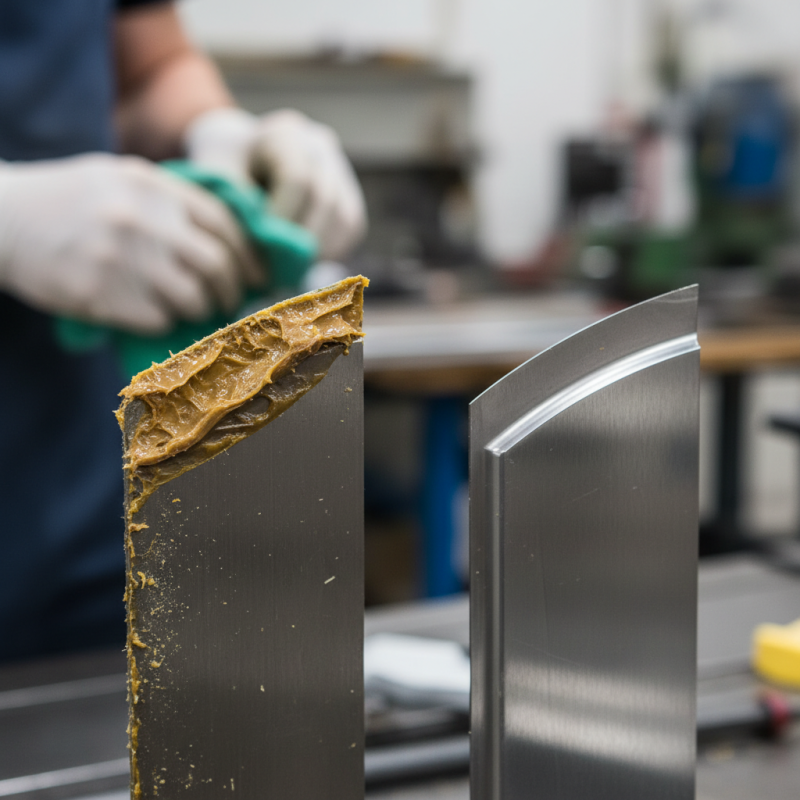
Regular maintenance of cutting blades is crucial for optimal performance. Adhesive residue can accumulate quickly during operations, leading to decreased efficiency. According to industry reports, blades with excess adhesive can lose sharpness, resulting in poor cuts and wasted materials. This not only increases production costs but can also risk injury to workers handling malfunctioning equipment.
Cleaning adhesive residue regularly can prolong the life of cutting blades. A study by the National Institute for Occupational Safety and Health (NIOSH) highlighted that properly maintained equipment can reduce workplace accidents by 25%. By prioritizing maintenance, companies can enhance safety and efficiency.
Tips:
Use solvents specifically designed for adhesive removal. Ensure proper ventilation when cleaning to avoid inhaling fumes. Establish a routine schedule for blade maintenance to create a culture of safety and efficiency. Regular checks can save significant costs and improve work quality.
Cleaning adhesive residue from cutting blades is often overlooked, but this negligence can lead to significant issues. Over time, the buildup of adhesives can create uneven cutting surfaces. This affects precision and can result in poor-quality cuts. When blades struggle, the entire process suffers. Production delays or material wastage may occur. An accumulation of residue can also lead to dull blades. Dull blades require more force to cut, increasing the risk of accidents and injuries.
Ignoring the residue can create hidden costs. Maintenance becomes more frequent as blades wear down faster. Replacing blades too often affects the budget. Professionals in manufacturing and crafts should prioritize regular cleaning. A disciplined maintenance routine can prevent many of these issues. By investing time in cleaning, you ultimately save time and resources.
The consequences of ignoring this simple task highlight the importance of routine care. Don't wait until a problem arises to take action. Every small effort to maintain equipment contributes to better performance and safety. Taking a few moments to remove adhesive residue can make a world of difference.
Cleaning adhesive residue from cutting blades is crucial for maintaining efficiency and precision in cutting processes. Adhesive build-up can lead to blade dullness and reduced effectiveness. Operators may notice a decrease in output quality if not addressed. According to industry data, improper blade maintenance can lead to up to a 30% decrease in cutting speed over time. This statistic highlights the need for regular cleaning practices.
Effective methods for removing adhesive residue include both mechanical and chemical solutions. Using a plastic scraper can gently lift off stubborn residue without damaging the blade. In combination, a solvent designed for adhesive removal, such as isopropyl alcohol or acetone, can dissolve remaining stickiness. Always ensure proper ventilation when using solvents. Some experts recommend a heat gun at low settings for softening adhesive. However, caution is necessary to avoid overheating the blade.
Regular inspections should integrate these cleaning methods as part of maintenance routines. Professional recommendations suggest cleaning blades every few weeks, depending on usage. Yet, many operators overlook this step. Adopting a proactive cleaning strategy not only improves cutting efficiency but also prolongs the lifespan of the blades, leading to cost savings in the long run. Failure to clean regularly could result in unexpected downtime and losses in productivity.
| Method | Effectiveness | Time Required | Cost |
|---|---|---|---|
| Solvent Cleaning | High | 10 minutes | Low |
| Mechanical Scraping | Moderate | 15 minutes | Moderate |
| Heat Treatment | High | 5 minutes | Moderate |
| Ultrasonic Cleaning | Very High | 20 minutes | High |
| Chemical Gel | High | 10 minutes | Moderate |
Cleaning adhesive residue from cutting blades is vital for maintaining optimal cutting performance. When blades accumulate sticky residue, their sharpness diminishes. This buildup can lead to inconsistent cuts and require excessive force. As a result, the quality of workmanship suffers. Users may experience frustration and find themselves making repeated adjustments.
Accuracy is another critical factor impacted by adhesive residue. Blades that are not clean are prone to slipping or veering off course during operation. This can lead to waste of materials and time. Precision is essential, especially in projects that require exact measurements. Moreover, the increased wear on tools due to this residue can lead to premature replacement, affecting project costs.
It's important to consider the cleaning process itself. Using the wrong solvents can damage the blade. There is always a risk of damage when cleaning improperly. This invites further reflection on how maintaining tools impacts overall project success. Taking time to ensure blades are clean can make a significant difference in performance and durability. Clean blades enhance the cutting experience, leading to better results.
As illustrated in the chart, the cutting accuracy significantly decreases with the increase of adhesive residue on blades. Clean blades achieve the highest accuracy, while heavy residue dramatically impacts performance.
Maintaining cutting blades is vital for optimal performance. Adhesive buildup can hinder a blade's effectiveness. Preventive measures are key to avoiding this issue. Regular cleaning is a simple yet effective step. Taking just a few minutes to wipe blades can save hours of frustration later.
Using the right tools matters. Choose non-solvent-based cleaners that won't damage blades. A soft cloth can help remove residue without scratching. Additionally, using a blade scraper can prevent the need for deeper cleaning. It's best to clean blades immediately after use when adhesives are still soft. This habit can significantly reduce buildup and extend the life of your blades.
Environment plays a role, too. Ensure proper storage of blades in a dry, clean area. Humidity and contaminants can lead to adhesive sticking. Nevertheless, even with precautions, some residue may still occur. Reflecting on your cleaning routine can highlight areas for improvement. Adopting a proactive approach will enhance blade longevity and performance significantly.
: Regular maintenance ensures optimal performance and prevents adhesive buildup that can lead to decreased efficiency.
Ignoring adhesive residue can result in uneven cutting surfaces and poor-quality cuts, leading to production delays.
Dull blades from residue require more force to cut, increasing the risk of accidents and injuries for workers.
Regular cleaning can prolong blade life, enhance safety, and save costs in the long run.
Use solvents designed for adhesive removal and ensure proper ventilation during the cleaning process.
Establish a routine maintenance schedule to create a culture of safety and efficiency in the workplace.
Dull blades can lead to frustration, increased wear on tools, and ultimately higher replacement costs.
Precision is vital for projects requiring exact measurements; residue can lead to slipping and wasted materials.
Yes, using the wrong solvents during cleaning can damage the blades, reducing their effectiveness.
Proper maintenance leads to better performance and durability, resulting in higher quality work and resource savings.
Cleaning adhesive residue from cutting blades is crucial for maintaining their performance and longevity. Regular maintenance ensures that the blades remain effective, while neglecting to remove adhesive buildup can lead to significant consequences, including reduced cutting accuracy and increased wear and tear. Understanding how to clean adhesive residue from cutting blades involves using appropriate methods that effectively eliminate any sticky remnants without damaging the blades.
Preventive measures can also be implemented to avoid adhesive buildup in the first place, such as using suitable cutting techniques and materials. By prioritizing the cleanliness of cutting blades, users can enhance their cutting performance and ensure precise results, ultimately improving overall efficiency and productivity.

Deepit Cutter