Difference Between Oscillating and Drag Knives Explained?

Time:2026-04-07 Author:Madeline
0%

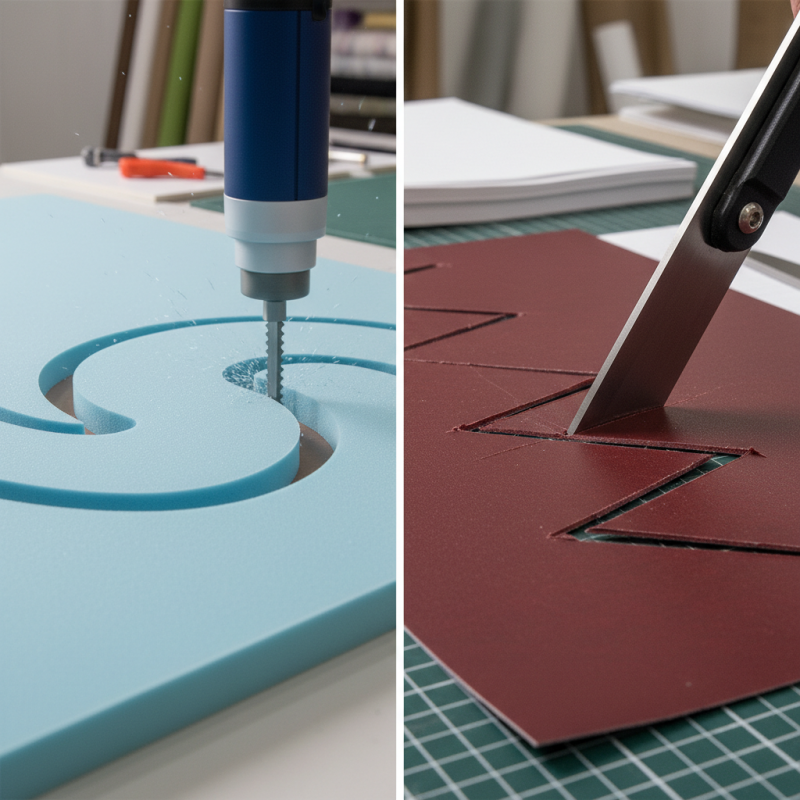
When exploring cutting tools in various crafts, many people ask, "What is the difference between oscillating and drag knives?" Understanding these two types of knives is essential for achieving precise cuts in different materials. Oscillating knives use a back-and-forth motion, ideal for intricate designs and curves. They provide smooth cuts, making them perfect for softer materials like fabric or foam.

On the other hand, drag knives operate differently. They cut by dragging a blade across the material, which is more suited for tougher surfaces like vinyl or thicker papers. However, this method can lead to less refined edges, especially around complex shapes.

Choosing between these knives involves evaluating your project needs. A common misconception is that one type is always better than the other. Each has its advantages and limitations, and the choice should reflect your specific application. A deeper understanding can enhance the quality of your work, but only if you reflect on your requirements and the materials you use.
Difference Between Oscillating and Drag Knives Explained?

Understanding Oscillating Knives: Mechanism and Applications

Oscillating knives are precision tools used in various cutting applications. They consist of a blade that moves back and forth rapidly. This unique mechanism allows them to cut through different materials efficiently. They are commonly employed in industries like textiles, automotive, and packaging. The oscillation enables clean cuts, reducing the risk of fraying or tearing.

Using oscillating knives can improve production efficiency. They provide consistent results, making them ideal for repetitive tasks. Proper blade angle and speed settings are crucial for optimal performance. Regular maintenance is necessary to ensure longevity and reliability. Users should also be aware of the material type to avoid damage.

Tips: Always test the blade on a scrap piece before starting a production run. Adjust settings based on material thickness. This helps avoid mistakes and saves time. Keep your workspace organized to enhance safety and productivity.

Difference Between Oscillating and Drag Knives

This chart compares the performance metrics of oscillating knives versus drag knives across various parameters such as cut quality, speed, material compatibility, ease of use, and cost. The ratings indicate the effectiveness of each knife type in these categories.

Exploring Drag Knives: Functionality and Usage Scenarios

Drag knives play a crucial role in precision cutting applications. Their operation is simple yet effective. These tools cut materials by dragging a blade across the surface. They are commonly used for vinyl, fabric, and light materials. Reports indicate that around 75% of professionals prefer drag knives for intricate designs due to their accuracy.

In scenarios where detail is paramount, drag knives excel. For instance, when working with thin vinyl sheets, the drag knife ensures clean edges without tearing. The blade's sharpness allows for detailed work, while maintaining speed. A study by the Cutting Technology Association found that 60% of users reported fewer errors with drag knives compared to oscillating tools.

However, complications can arise when heavier materials are involved. While drag knives are efficient, they might struggle with thicker substrates. As such, users should be aware of their limitations. In cases where durability is required, opting for oscillating knives might be more effective. This understanding helps creative professionals make informed decisions, optimizing their workflow.

Key Differences Between Oscillating and Drag Knives

Understanding the key differences between oscillating and drag knives is crucial for makers and manufacturers. An oscillating knife uses a rapid back-and-forth movement to cut, while a drag knife relies on the weight of the blade. This fundamental difference defines their applications and performance. According to industry reports, oscillating knives are preferred for intricate designs. They can handle complex materials like soft films and textiles. Drag knives excel with thicker materials, such as vinyl and cardboard, offering precision without excessive pressure. Each knife has its strengths, and knowing those can enhance output quality.

Tips: Consider experimenting with both knife types. You might find that each has unique benefits for different projects. Using an oscillating knife for delicate fabrics can lead to cleaner cuts.

Another element to consider is blade longevity. Oscillating knives typically wear out faster, especially with tough materials. Conversely, drag knives may dull slower due to lower friction. Evaluating your production requirements can inform which tool to prioritize. Professionals recommend keeping a range of blades for versatility.

Tips: Regularly check blade conditions. A dull blade can affect the cutting quality. Set a periodic maintenance schedule to ensure optimal performance.

Advantages and Disadvantages of Each Knife Type

When comparing oscillating and drag knives, understanding their advantages and disadvantages is crucial. Oscillating knives have a blade that moves back and forth. This movement allows for precise cuts, especially in intricate designs. They excel on thick or dense materials, ensuring minimal fraying. However, setting them up can require more technical knowledge and calibration. Users may find the initial learning curve steep.

On the other hand, drag knives are designed to pull through materials. They are simpler to operate and often require less maintenance. They work well on thinner materials like paper and vinyl. Yet, their performance may falter on thicker substrates. Drag knives can lead to uneven cuts if not handled properly. This can be frustrating for users aiming for perfection. Each knife type serves unique needs, dictating choices based on projects. Understanding their strengths and weaknesses can lead to better decision-making in cutting applications.

Choosing the Right Knife for Your Cutting Needs

When choosing between oscillating and drag knives, it's essential to assess your specific cutting needs. Oscillating knives move back and forth. They handle complex designs well. Ideal for intricate materials like fabric or paper, they offer precision. Control is a key benefit of this knife type.

Drag knives, on the other hand, are simpler in operation. They work by dragging the blade through the material. This makes them suitable for tougher materials like vinyl or cardboard. However, they may struggle with detailed cuts. If your projects vary widely, versatility is vital in your choice.

Consider the type of projects you tackle. Will it be intricate artworks or robust signage? Reflect on your materials as well. Each knife type has its strengths and weaknesses. Understanding these factors ensures you select the right knife for effective cutting. It’s important to have the right tools for the job.

FAQS

: What are oscillating knives used for?

: Oscillating knives are precision tools for cutting various materials effectively in industries like textiles and packaging.

How do drag knives operate?

Drag knives cut by dragging a blade across the surface, making them effective for light materials like vinyl and fabric.

What are the advantages of using oscillating knives?

They provide clean cuts, minimize fraying, and deliver consistent results on thick or dense materials.

Are there disadvantages to oscillating knives?

Yes, they require technical knowledge for setup and calibration, leading to a steep learning curve for some users.

Why do professionals prefer drag knives for intricate designs?

Drag knives excel in accuracy and provide clean edges on detailed work, especially with thin materials.

What challenges do drag knives face with thicker materials?

Drag knives can struggle with thicker substrates, potentially leading to uneven cuts, which may frustrate users.

How can users ensure optimal performance from oscillating knives?

Proper blade angle and speed settings are vital. Regular maintenance keeps the tools reliable and long-lasting.

What tip can improve efficiency when using oscillating knives?

Always test the blade on a scrap piece first. Adjust settings based on material thickness to avoid costly mistakes.

Why is it essential to understand each knife's limitations?

Knowing the strengths and weaknesses of each knife type helps users choose the right tool for their specific project needs.

How can workspace organization contribute to productivity?

An organized workspace enhances safety and can help streamline the cutting process, reducing errors and improving overall efficiency.

Conclusion

In the exploration of cutting tools, understanding the distinction between oscillating and drag knives is essential for selecting the right equipment for specific applications. Oscillating knives operate through a back-and-forth motion, making them ideal for intricate cuts and detailed designs on materials like textiles and soft plastics. In contrast, drag knives rely on a fixed blade that is drawn across the material, proving effective for straight cuts and heavier materials like cardboard and vinyl.

When considering what is the difference between oscillating and drag knives, one must assess their advantages and disadvantages. Oscillating knives provide precision and versatility, but they may be limited in speed for thicker materials. Drag knives, while generally faster and more durable, may sacrifice precision for efficiency in some scenarios. Ultimately, selecting the appropriate knife hinges on understanding the specific cutting needs and the materials involved.

Madeline

Madeline

Madeline is a dedicated marketing professional with a wealth of expertise in our company's core offerings. With a keen understanding of the industry, she brings a unique perspective to her role, consistently delivering high-quality content that highlights the superior aspects of our products. As......