When working with CNC knives, many users face a frustrating issue: "Why is my CNC knife tearing the fabric instead of cutting?" This common problem can result from various factors. Understanding these causes is essential for anyone looking to improve their fabric cutting precision.
CNC knife tearing can stem from blade dullness, incorrect settings, or unsuitable materials. A dull blade fails to cut cleanly, causing tearing instead. Additionally, incorrect feed rates and cutting speeds contribute to this issue. Users must ensure that the knife's parameters match the type and thickness of the fabric being used.
It's also vital to inspect the fabric itself. Some materials are more prone to tearing. Recognizing this can help in making the right choices. Thus, identifying and addressing these factors will lead to improved cutting efficiency. Ultimately, consistent evaluation and adjustment of your CNC knife setup are necessary for achieving optimal results.
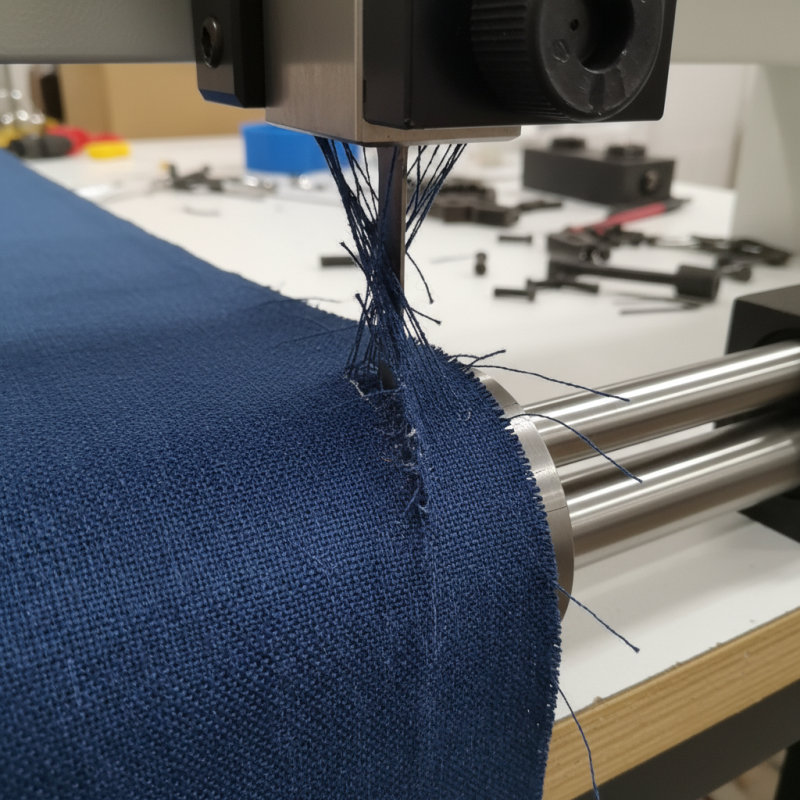
Understanding the causes of CNC knife tearing fabric is essential for any fabric cutting operation. One major factor is the blade sharpness. A dull blade can snag the fabric, causing uneven cuts. This may lead to tearing rather than a clean slice. Operators must regularly check the blade condition to ensure optimal performance.
The type of fabric plays a vital role in cut quality. Some fabrics, like those with a high stretch or delicate fibers, are more prone to tearing. Understanding the characteristics of the material you are cutting can help prevent issues. Additionally, the cutting speed must be appropriate for the fabric type. Too fast, and you risk tearing; too slow can lead to fraying.
Another aspect to consider is the machine setup. Incorrect pressure settings may cause excess force on the fabric, leading to tears. Regularly calibrating the CNC machine is necessary. Operators should also train carefully on the specific quirks of their equipment. Misalignment during setup can be a silent culprit behind fabric damage, making ongoing assessment crucial.
Choosing the right type of knife is crucial for effective fabric cutting. Various knives serve different purposes. For instance, rotary cutters are excellent for clean, precise cuts. However, they may not be suitable for thicker fabrics. Understanding the fabric type is key. An incorrect knife choice can lead to tearing, rather than cutting. Assess the fabric's weight and texture before selecting a knife.
When addressing CNC knife tearing issues, consider the following tips. Ensure the knife blade is sharp to avoid fabric damage. A dull blade can pull and rip the fibers instead of slicing cleanly. Regular maintenance of blades enhances their performance and prolongs their lifespan.
Another aspect to ponder is the knife’s angle. A steeper angle provides finer cuts but can increase tearing risk. Adjust the angle based on the fabric type. Experimenting with different knives may yield better results. Don't hesitate to document your findings. This insight can help refine your cutting strategy. Adjusting your approach can lead to significant improvements in fabric handling.
Adjusting CNC settings is crucial for optimal fabric cutting. A misconfigured machine can cause tearing instead of a clean cut. Studies show that improper speed settings can lead to fabric distortion. Reducing cutting speeds by 10-20% can enhance accuracy on delicate materials.
Proper blade settings are another vital aspect. Depending on the fabric type, blade angle and pressure should be adjusted. For instance, using a sharper blade with lighter pressure can yield better results on thinner fabrics. Many operators overlook blade maintenance, which can contribute to tearing. A dull blade often causes more fraying.
Finally, the quality of the fabric plays a significant role. Different materials behave uniquely under CNC cutting. Even minor inconsistencies in fabric quality can lead to unexpected results. Regularly testing various fabric batches can provide insights into necessary adjustments. It’s essential to stay informed about the latest CNC advancements and industry best practices. Keeping a record of settings that worked can help refine future cuts.
Maintaining and sharpening CNC knives is crucial for achieving clean cuts in fabric. A dull knife can cause tearing instead of cutting. Regular inspection is necessary for identifying wear. Look for signs of dullness or damage before starting a project. Keeping your tools in top shape requires attention and time.
Sharpening techniques can vary. Some users prefer manual sharpening methods, while others rely on automated systems. Whichever method you choose, ensure that the angle is consistent and appropriate for the fabric type. A slight inconsistency can lead to undesirable results. Implement routine sharpening schedules based on usage patterns.
Sometimes, errors occur despite careful maintenance. For example, a knife might still tear fabric after sharpening. This could be due to improper calibration of the CNC machine. Calibration adjustments may be needed if you notice repeated issues. Evaluate your process and make necessary corrections. These small changes can significantly enhance cutting precision and efficiency.
When working with CNC knife cutting, selecting the right fabric is crucial. Different materials have unique properties that affect how they cut. A study by the American Fabric Manufacturers Association shows that fabrics with a tighter weave tend to resist tearing better during CNC operations. Understanding these properties can help prevent costly errors.
Testing fabric beforehand is essential. Consider using test strips of various materials. This approach allows you to observe how each fabric responds to cutting. If you notice fraying or tearing, it might indicate that the material is too delicate for CNC processes. One industry report highlighted that 70% of cutting issues arise from improper material selection, underscoring the importance of thorough testing.
Some fabrics, like knits, behave unpredictably during cutting. Their stretch can lead to uneven edges and distortions. In contrast, woven fabrics offer better stability. However, even woven fabrics can vary widely in performance. Colors and finishes might also affect the cutting. Choosing the right fabric demands careful consideration and frequent adjustments. Even experienced users sometimes encounter fabric-related challenges that call for reevaluation of techniques and settings.
| Tip Number | Tip Description | Recommended Fabric Type | Setting Adjustment |
|---|---|---|---|
| 1 | Use the correct blade type for the fabric being cut. | Cotton, Denim | Sharpen or replace blade. |
| 2 | Check the feed rate settings for the material. | Polyester, Canvas | Adjust to a slower feed rate. |
| 3 | Ensure proper tension is applied to the fabric. | Silk, Satin | Adjust tension rollers accordingly. |
| 4 | Test different cutting speeds to determine optimal performance. | Leather, Faux Leather | Run test cuts at varying speeds. |
| 5 | Evaluate the pressure settings of the cutting head. | Nylon, Ripstop | Decrease cutting pressure. |
| 6 | Regularly maintain CNC equipment to ensure optimal performance. | All Fabrics | Conduct routine inspections and maintenance. |
| 7 | Use a backing material to stabilize the fabric during cutting. | Thin Fabrics | Select appropriate backing for support. |
| 8 | Experiment with different blade angles for various materials. | Fleece, Wool | Adjust blade angle as needed. |
| 9 | Use high-quality fabrics that are suitable for CNC cutting. | All Fabrics | Source from reputable suppliers. |
| 10 | Perform regular test cuts to ensure settings are optimal for fabric type. | All Fabrics | Schedule routine testing. |
: Blade sharpness is a major factor. A dull blade can snag and tear fabric.
Fabrics with high stretch or delicate fibers are more prone to tearing. Understanding fabric characteristics is essential.
Incorrect pressure settings can lead to excess force, causing tears. Regular calibration is crucial for good performance.
Cutting too fast risks tearing. Slower speeds may cause fraying. Adjusting speed is vital for different materials.
Adjust blade angle and pressure based on the fabric type. A sharper blade with lighter pressure often yields better cuts.
Testing fabrics can reveal their cutting behavior. Fraying indicates a material may be too delicate for CNC processes.
Minor inconsistencies in fabric can lead to unexpected issues. Regularly testing fabric batches helps refine cutting settings.
Some fabrics, especially knits, behave unpredictably. Even woven fabrics can be inconsistent, requiring careful selection and adjustment.
Regular blade checks are necessary. A dull blade can cause more fraying, impacting quality.
Keep a record of successful settings and stay updated on CNC advancements. This helps improve future cutting accuracy.
In the quest to optimize CNC knife performance for fabric cutting, one common concern arises: "Why is my CNC knife tearing the fabric instead of cutting?" This issue often stems from a combination of factors including the choice of knife, CNC machine settings, and the condition of the materials being used. Understanding the root causes, such as using the wrong type of knife or improper CNC settings, can significantly help in mitigating fabric tearing.
To achieve the best results, it is essential to select the right knife suited for the type of fabric being cut, ensure that CNC settings are finely tuned for the material's characteristics, and regularly maintain and sharpen the knives for precision cuts. Additionally, testing different fabric types can aid in identifying the most compatible options for CNC projects, ultimately leading to enhanced cutting performance and reduced fabric damage.

Deepit Cutter