2026 Best CNC Knife Selection Guide for Different Materials?

Time:2026-04-07 Author:Sophia
0%

When selecting a CNC knife, considering the material is crucial. Different materials require specific knife types for optimal performance. Choosing the right CNC knife for different materials is essential for achieving high-quality results.

Factors like hardness and thickness influence the knife selection process. For instance, soft materials like foam need different blades compared to harder substances like metal. Understanding these nuances helps in making informed decisions.

Mistakes can lead to poor cuts or tool damage. It’s vital to research and consult expert guidelines before purchasing. Choosing incorrectly can waste time and resources. This guide will navigate through the complexities of CNC knife selection.
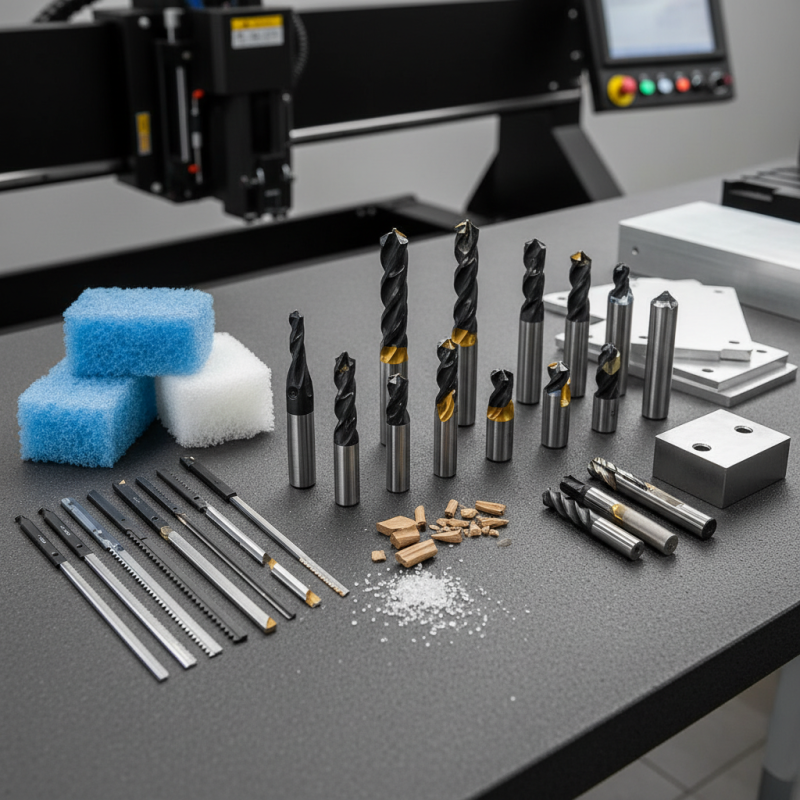
2026 Best CNC Knife Selection Guide for Different Materials?

Understanding CNC Knife Types for Material Cutting

Understanding the types of CNC knives is crucial for effective cutting across various materials. CNC knives differ not only in design but also in their intended application. For softer materials like foam or fabric, a drag knife can provide clean, precise cuts. These knives are ideal for intricate patterns or designs. For harder substances such as metal or wood, a router-style CNC knife is more suitable. These tools utilize rotational movement to achieve deeper cuts with accuracy.

Choosing the right CNC knife involves understanding the material's properties. Some materials may require specific blade angles or types to prevent damage. For example, cutting dense materials often generates heat that can degrade a blade’s performance. It's vital to consider wear and tear. Each knife type functions best in specific scenarios, and applying them incorrectly can lead to unsatisfactory results or wasted materials. Reflecting on past experiences can help refine your selections. Always prioritize the balance between speed and precision for the best outcome.

Key Factors in Selecting CNC Knives for Different Materials

When selecting CNC knives for various materials, understanding the properties of each material is crucial. Different materials, such as wood, metal, and plastics, require specific knife characteristics. For instance, softer materials like foam might require a knife with a thinner blade to prevent deformation. Conversely, harder materials like aluminum demand robust knives with reinforced edges.

Blade geometry plays a vital role in the performance of CNC knives. The angle of the blade can impact cutting efficiency and finish quality. A steeper angle may produce a cleaner cut on certain materials but can wear out faster. It's essential to analyze the stability and durability of the knife used. Knives with poor stability may vibrate during operation, leading to inaccuracies. This can cause uneven edges and wasted materials.

Material compatibility is another factor to consider. Some knives may chip or dull quickly when used with the wrong material. Testing different knife options on small samples can save time and resources. The choice of coating on the knife can also enhance its lifespan, especially in high-volume production settings. Always assess how wear and tear can affect your specific applications.

Comparative Analysis of CNC Knives for Wood, Metal, and Plastic

When selecting CNC knives for different materials, users must consider specific attributes that influence performance. For wood processing, carbide-tipped knives excel due to their durability. Studies show they can last up to 10 times longer than standard steel blades. However, wood is unpredictable. Variations in grain density can affect cutting quality, leading to rough edges.

The requirements change significantly for metal. High-speed steel (HSS) knives often prove most effective. Research indicates that HSS is better suited for metals like aluminum or brass. These materials demand precision. Yet, users may face challenges such as heat buildup. This can compromise the knife’s integrity over time.

Plastic presents its own challenges. Aimed at maintaining cleanliness, CNC knives for plastic should avoid melting. Some tests highlight that serrated edges can reduce friction and prevent blurring. Still, they may require frequent replacements. As production scales up, the cost of maintenance could become significant, prompting users to carefully evaluate their selection.

Maintenance Tips for Extending the Life of CNC Knives

CNC knives are precision tools used in various industries. Maintaining them is crucial for efficiency and longevity. Regular maintenance ensures optimal performance. Studies show that proper care can extend tool life by over 30%.

To preserve your CNC knives, consider routine inspections. Check for wear and damage regularly. Cleaning knives after each use is essential. Use non-corrosive solutions to prevent rust. The sharpness of the blade significantly influences cutting quality. Dull blades can lead to increased friction and heat.

A significant factor in maintenance is storage. Store knives in a dry environment. Avoid moisture to prevent deterioration. Proper storage reduces the risk of accidental damage. Surveys indicate that improper storage leads to a 15% reduction in tool lifespan. Always keep tools organized to facilitate easy access and reduce misplacement.

Choosing the Right CNC Knife for Specific Cutting Applications

Choosing the right CNC knife is crucial for achieving optimal cutting results. Different materials require specific cutting techniques. For example, fabrics like cotton or nylon need a sharp, precise blade that can glide effortlessly. A standard knife might struggle, creating frayed edges.

In contrast, cutting materials like foam or rubber might require a different approach. Here, a serrated blade can provide the necessary grip and control. Understanding the material is key. Incorrect blade selection can lead to poor finishes and wasted time. Every material has its unique challenges, and reflection on past projects can help refine your choices.

Experience plays a big role in this selection process. Mistakes help identify the wrong knife for the job. Each cutting application varies in complexity, and the choice of knife impacts efficiency. Exploring various options and learning from trial and error is vital. Keep in mind that no single knife fits all applications perfectly. Adjustments and fine-tuning remain part of the cutting journey.

FAQS

: What are the different types of CNC knives?

: CNC knives vary in design and application. Drag knives suit softer materials like foam, while router knives cut harder materials.

How does material type affect CNC knife selection?

Each material has unique properties. For example, dense materials may require specific blade angles to avoid damage during cutting.

What role does blade geometry play in cutting?

Blade angle impacts efficiency. A steeper angle might yield cleaner cuts but may wear out more quickly than flatter ones.

Why is material compatibility important for CNC knives?

Using the wrong knife can cause chips or quick dulling. Testing on samples helps avoid waste and ensures better outcomes.

What are key maintenance tips for CNC knives?

Regularly inspect for wear and damage. Clean after each use and store in dry conditions to maintain their sharpness and performance.

How can improper maintenance affect CNC knives?

Neglect can lead to reduced tool life, increased friction, and poor cutting quality. Dull or rusted knives waste time and resources.

What storage practices help extend knife lifespan?

Store knives in a dry place to prevent deterioration. Organized storage reduces accidental damage and misplacement.

What can happen if you apply the wrong knife type?

Using an incorrect knife may cause unsatisfactory results and material waste. It can affect precision and lead to uneven edges.

How does routine maintenance impact cutting efficiency?

Proper maintenance can enhance performance by over 30%. Regular care and cleaning significantly improve cutting quality.

What should be done regularly to ensure knife effectiveness?

Regular checks for wear, cleaning after use, and keeping tools organized are crucial for maintaining performance.

Conclusion

In the article "2026 Best CNC Knife Selection Guide for Different Materials," the focus is on understanding the various types of CNC knives available for cutting different materials such as wood, metal, and plastic. It emphasizes the importance of knowing the characteristics and requirements of each material to ensure optimal cutting performance. The guide outlines key factors to consider when selecting CNC knives, including blade material, geometry, and intended application.

Furthermore, a comparative analysis helps readers grasp the differences in knife types suited for various materials. To enhance the longevity of CNC knives, maintenance tips are provided, highlighting routine care practices. Ultimately, the article serves as a comprehensive resource on how to choose the right CNC knife for different materials, ensuring efficient and effective cutting in various applications.

Sophia

Sophia

Sophia is a dedicated marketing professional with an exceptional depth of knowledge about her company's products and services. With a keen understanding of market trends and customer needs, she crafts insightful blog posts that not only inform but also engage readers, enriching the company’s online......